A Timeline of Mahjong Origins
MAHJONG TIMELINE
A timeline of Mahjong origins.
Mahjong’s modern form emerged gradually. Its development can be understood as a long movement from Chinese paper-card games to a fixed 144-tile rule structure.
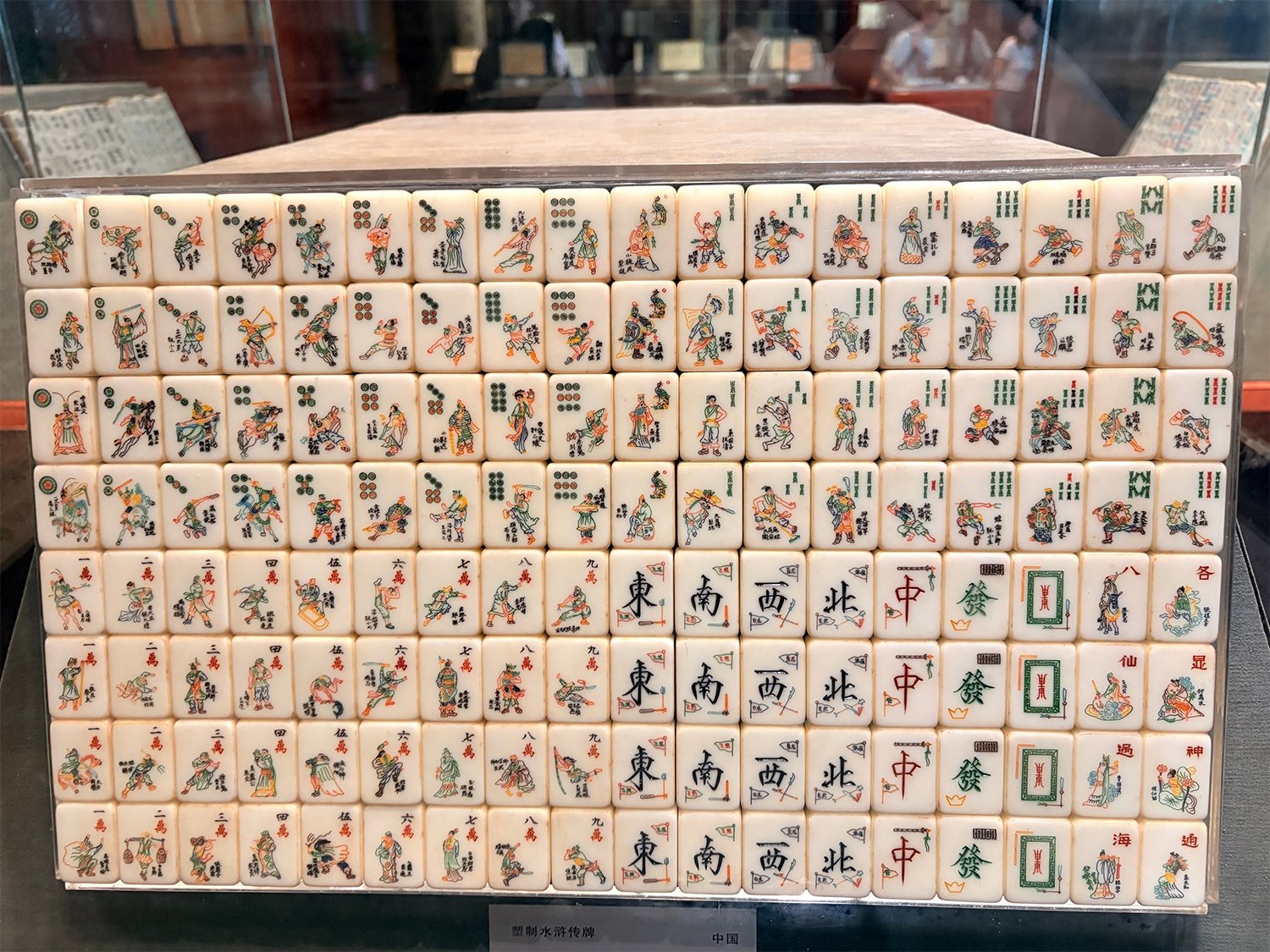
Late 7th century: early game roots
The earliest roots are often connected with Chinese paper-card games from the late 7th century, during the Tang dynasty.
These early games were not modern Mahjong, but they help explain the larger game culture from which Mahjong later developed.
15th century: the early Mahjong form
By the 15th century, the basic rules and early shape of Mahjong began to appear. This period marks the movement from general card-game heritage toward a more recognizable Mahjong structure.
17th century: a 120-tile structure
By the 17th century, Mahjong tile count had become fixed at about 120 tiles. At this stage the game was already very close to later Chinese Mahjong rules.
19th century: the 144-tile Chinese Mahjong set
In the 19th century, the total tile count became fixed at 144 tiles. This matches the number used in Chinese Mahjong today, and the rules had largely stabilized.
Related reading
Designing a modern Mahjong set?
Historical references can help shape tile size, artwork direction, packaging story and market positioning. Quhu Studio can help translate that inspiration into a manufacturable American Mahjong product.