Mahjong History Stories
MAHJONG HISTORY
Mahjong history stories: from Chinese origins to a global social game.
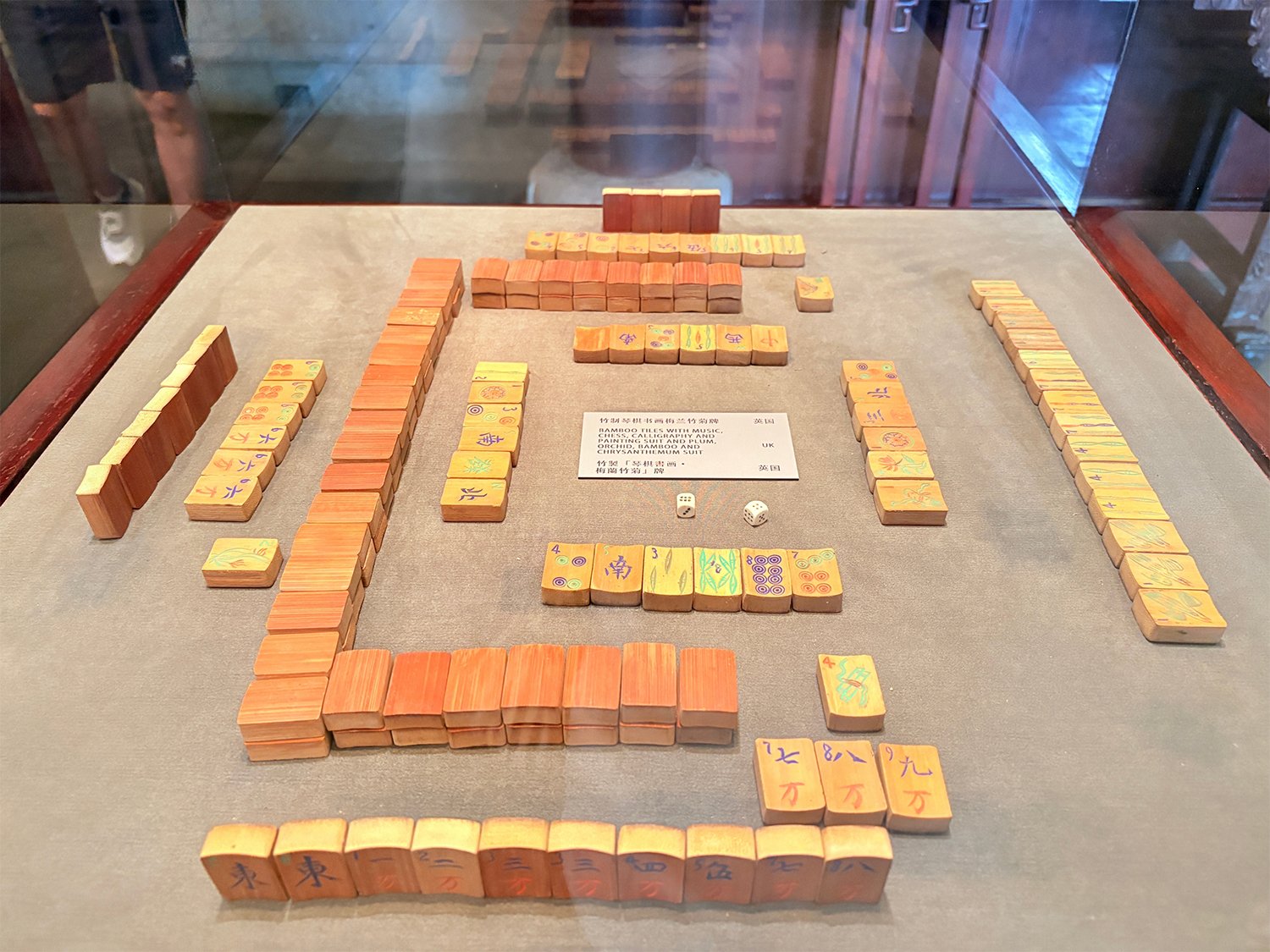
Mahjong is an ancient tile game inherited from Chinese game culture. Its history connects early card games, evolving tile rules, maritime legends, museum collections and modern family play.
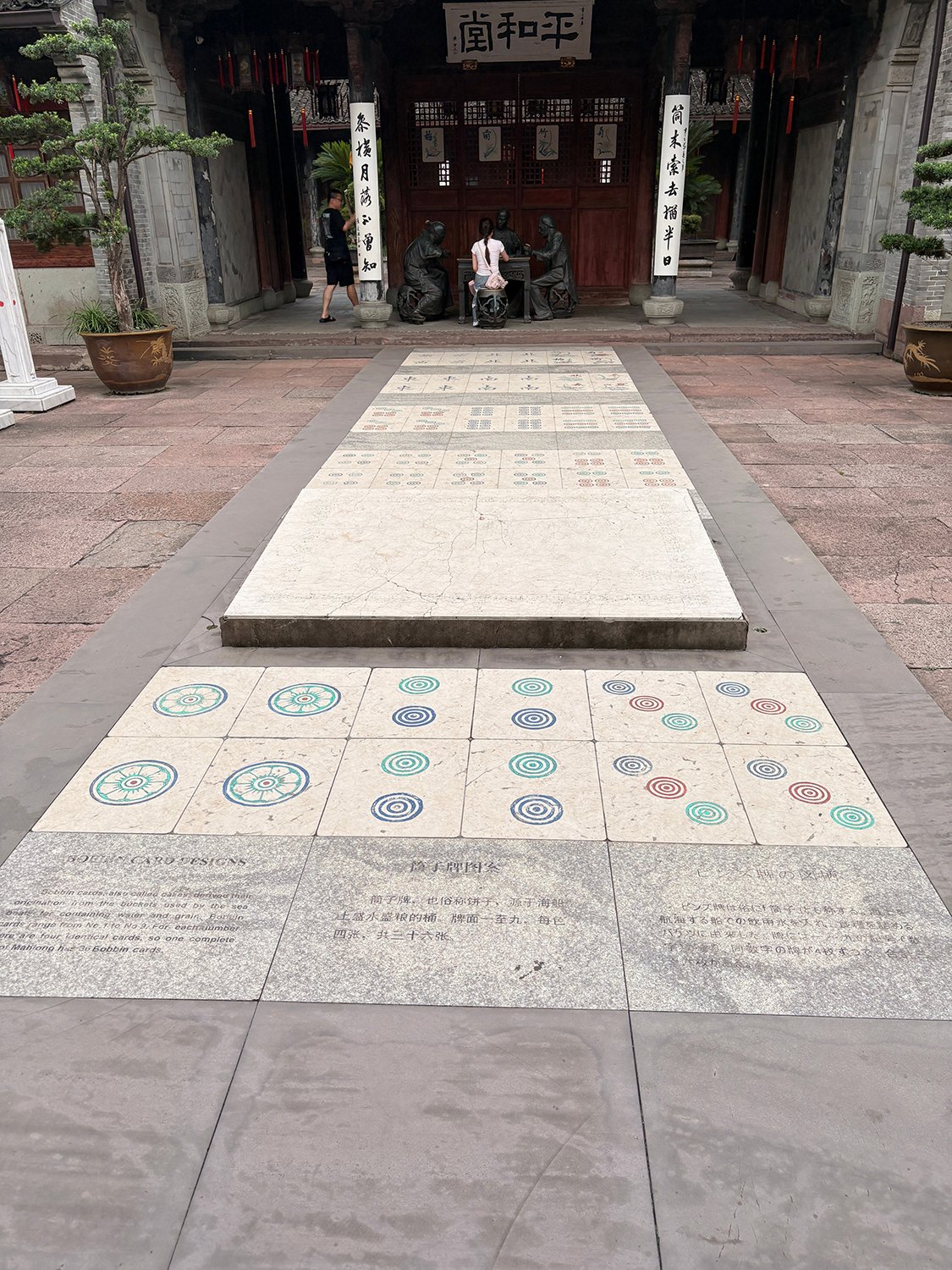
A game rooted in Chinese tradition
Mahjong is widely understood as a traditional Chinese game. Its earliest cultural roots can be traced back to paper-card style games in the late 7th century during the Tang dynasty.
The Mahjong form familiar today did not appear all at once. Its rules and tile structure developed over centuries before becoming close to modern Chinese Mahjong.
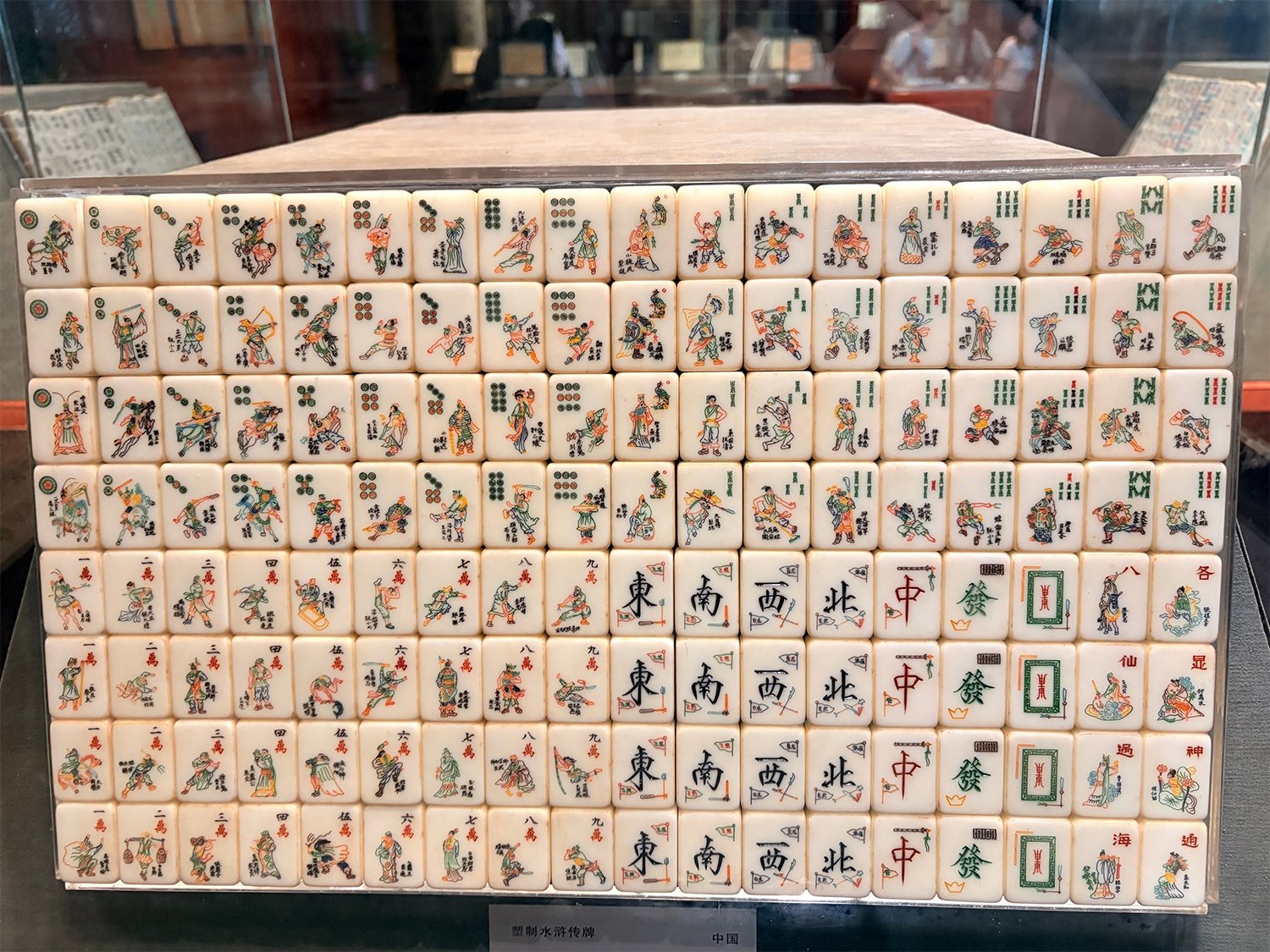
A simple historical timeline
- Late 7th century: early Chinese paper-card games provide part of the cultural background.
- 15th century: the basic rule structure and early Mahjong-like form begin to appear.
- 17th century: the tile count becomes fixed at about 120 tiles, already close to later Chinese Mahjong rules.
- 19th century: the tile count becomes fixed at 144 tiles, matching the total used in Chinese Mahjong today.
A story that gives Mahjong imagination
One popular legend connects Mahjong with Zheng He, the great Chinese navigator of the early 15th century. According to this story, the game was created to relieve boredom during long sea voyages.
Whether treated as history or legend, the story gives Mahjong a memorable sense of travel, companionship and shared time.
Why it still matters
Mahjong is highly interactive. It brings people around one table, encourages conversation and gives friends and families a structured reason to spend time together.
That social quality is one reason Mahjong has become newly popular in the United States in recent years.
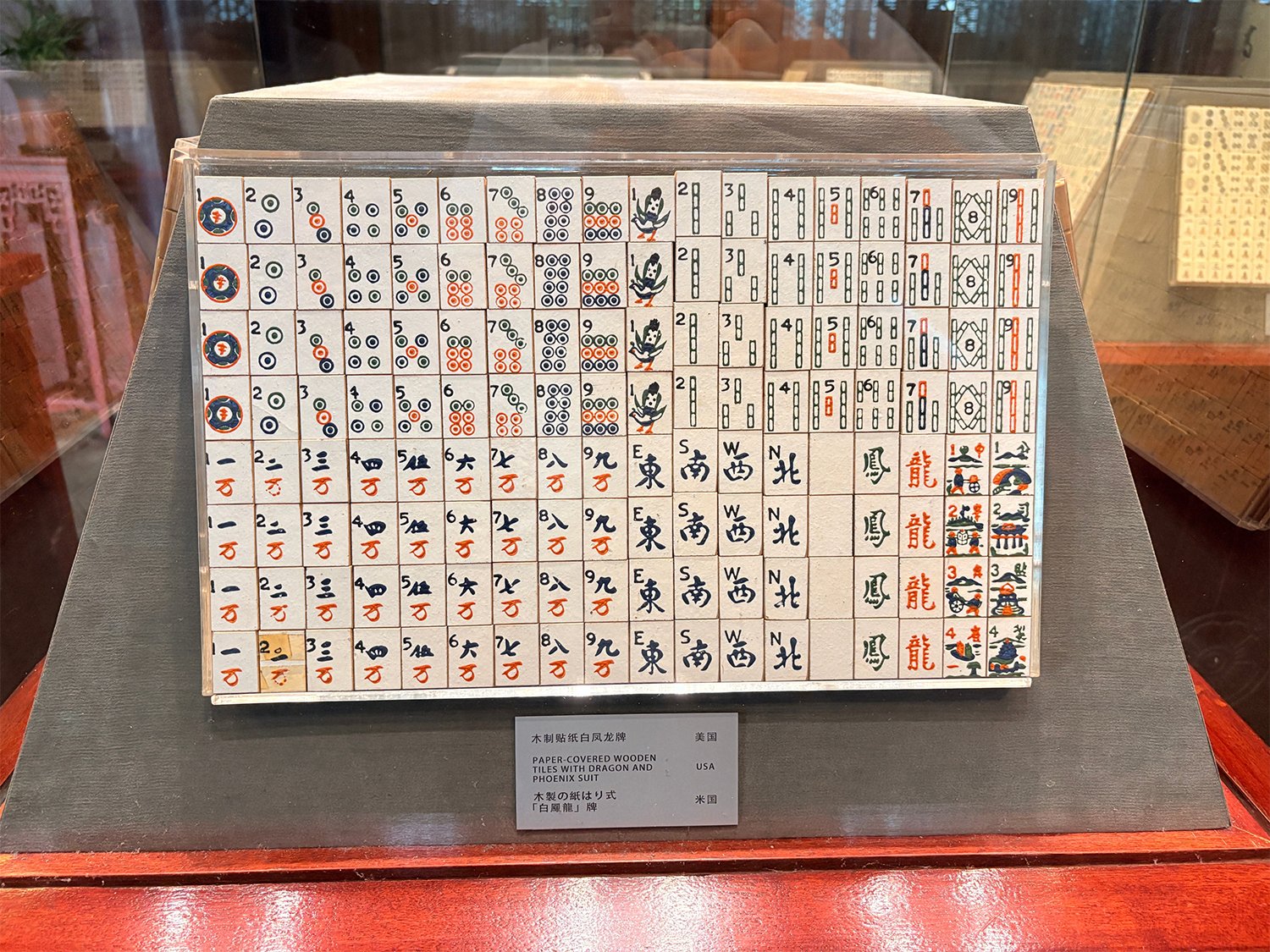
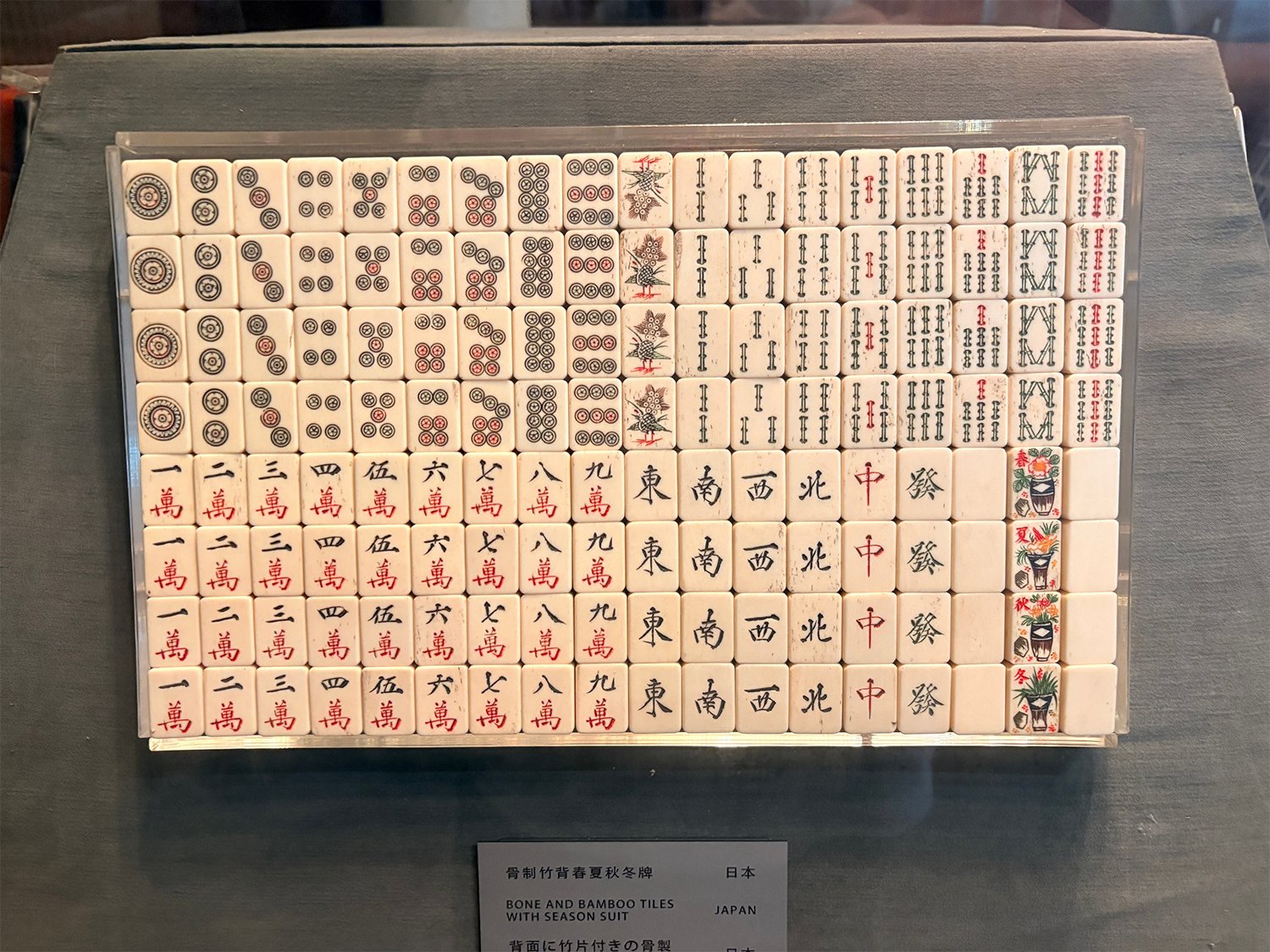
Related reading
Designing a modern Mahjong set?
Historical references can help shape tile size, artwork direction, packaging story and market positioning. Quhu Studio can help translate that inspiration into a manufacturable American Mahjong product.